Questions to Ask at Meet the Teacher Night and What to Listen For
Quick Answer
Open house and Meet the Teacher events at our early childhood education centers give families a chance to step inside our classrooms, connect with experienced educators, and see how purposeful play builds critical thinking and social confidence. Bringing thoughtful questions about daily routines, creative play, and family communication helps you feel fully confident in choosing the right Preschool or Daycare for your child.
The Moment You Walk Through the Classroom Door
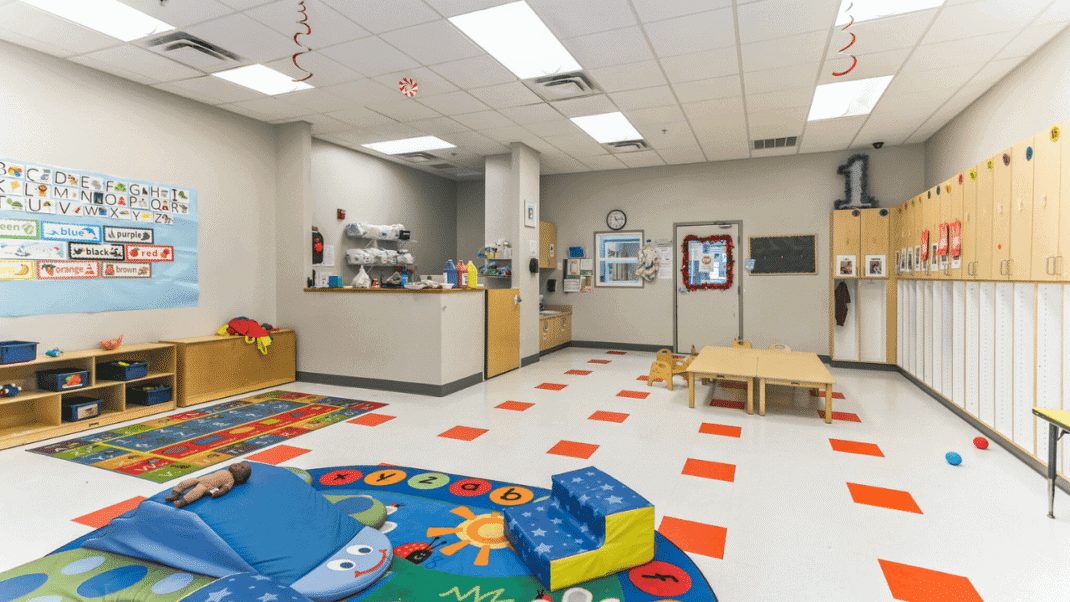
Stepping into an active early learning environment offers something special. It is your chance to see how light, sensory materials, and intentionally designed play spaces invite curiosity while providing the predictable routines children need to feel secure. You will meet trusted caregivers who guide daily discovery and begin building relationships within a warm, family-centered community.
There is so much to experience during that first visit. With a little intention, you can notice the details that help you better understand the classroom, the educators, and the community your child will be joining.
If you have been exploring play-based programs in Glen Allen, you have probably sat through a lot of general information. These events are your chance to ask the specific questions that actually help you decide — and to start feeling at home before your child’s first day.
What to Ask About the Educator — and Why It Matters
The relationship between your child and their educator shapes so much of how your child feels about school — whether they walk through the door excited or hesitant, whether they feel safe enough to try something new, whether they want to tell you about their day on the drive home. Coming to Meet the Teacher with a few thoughtful questions helps you get a real sense of the person behind the classroom.
Here are a few worth asking:
What do you love most about this age group? A great educator lights up answering this. You are not looking for the “right” answer — you are watching for genuine enthusiasm and specificity. An educator who says “I love how honest three-year-olds are — they tell you exactly what they think” is telling you something real about how they see and enjoy children.
How do you handle a child who is having a hard morning? This question reveals so much about how an educator approaches big feelings and tough days. Look for warmth, patience, and a sense that they see behavior as communication — that a child acting out is a child who needs something, not a child who is being difficult.
How do you keep families in the loop? You want to know whether communication feels like a natural, ongoing conversation or something that only happens when there is a problem. The best educators make families feel like partners from the very first week.
According to NAEYC, strong relationships between educators and families are one of the most significant contributors to children’s healthy development — which means this conversation matters far more than it might feel like in the moment.
What to Ask About the Classroom and the Day
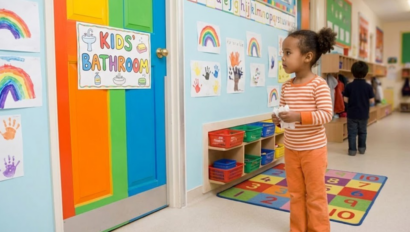
The room itself tells you a great deal about what the educators value. While you are there, take a slow look around. Are the materials at the children’s level, easy to reach and clearly used? Is there evidence of ongoing work — drawings displayed with care, something in progress on a table, books that look genuinely read? Does it feel like a place a child would feel at home?
Then ask:
What does a typical day look like? A confident, connected educator can walk you through the rhythm of the day warmly and naturally. Listen for a balance of active play, group time, outdoor time, and quieter moments. A day that feels thoughtfully paced — not rushed, not scattered — is a good sign.
How is outdoor time and movement built into the day? In a strong play-based program, fresh air and movement are not extras squeezed in at the end. Ask how the day is designed around children’s physical needs, and what a rainy day looks like. How an educator answers this question tells you whether they see the whole child or just the part that sits at a table.
How do you support children who move at different paces? Every classroom has children who need a little more time and children who are always ready for what comes next. Ask how the educator adjusts for both — and listen for an answer that feels individualized rather than scripted.
What to Ask About Community and Communication
The school your child attends becomes an important part of your family’s community. One of the special things about a Meet the Teacher event is that it gives you a chance to experience that community firsthand and begin building connections before the school year begins.
Ask the educators: “What does family involvement look like here?” This question goes beyond volunteer opportunities. It helps you understand how the school welcomes families, keeps them connected, and creates opportunities for meaningful partnership throughout the year.
While you are in the room, take time to notice the little things around you. Do educators and staff seem comfortable and engaged? Do families seem welcomed and connected? Does the classroom feel like a place where your child would feel safe, supported, and excited to learn?
Those observations can tell you a lot. Sometimes the feeling of a community comes through in the small moments, the conversations, and the way people connect with one another.
Frequently Asked Questions
What is the purpose of a Meet the Teacher or open house event at a play-based preschool?
These events give families a chance to see the classroom as it actually functions, meet the educators their child will spend time with, and ask the questions a website simply cannot answer. For many families, it is the moment the decision becomes clear — not because of what was said, but because of how the room felt.
What should I bring to a school open house or Meet the Teacher event?
A few written questions helps — it is easy to forget what you wanted to ask once you are in the room. If your child is coming with you, let them explore freely. Watching how they respond to the space and the people in it tells you something that no brochure can.
Is it okay to ask personal questions about the teacher’s background or experience?
Absolutely — and most educators genuinely enjoy those conversations. Asking what drew them to this age group, how long they have been working with young children, or what they find most meaningful about their work helps you understand the person who will be caring for your child every single day.
What should I do if I leave feeling uncertain?
Ask for a follow-up conversation. A school that welcomed your questions during the event should welcome them after, too. If a director or educator responds warmly and thoroughly, that warmth is part of your answer. If they seem put off by the follow-up, that is useful to know as well.
You Will Know More Than You Think After This Evening
Families often leave these events with more than just the information they gathered. They leave with a sense of the community, the classroom environment, and the people who will be part of their child’s experience. They may notice the educator’s excitement about their work, the warmth of the classroom, or the connections forming between families.
Pay attention to those moments and trust what you experienced. And if questions come up after your visit, Magnolia Ridge Child Development Center is always happy to continue the conversation. Finding a place where your child and family feel supported is an important decision, and we are honored to be part of that journey.
Magnolia Ridge Child Development Center serves families in Glen Allen. Whether you are just around the corner or a short drive away, your family is welcome here. Come see it for yourself. Schedule a tour at Magnolia Ridge Child Development Center in Glen Allen and meet the educators who genuinely cannot wait to meet your child.
Related Posts
All Posts
Helping Preschoolers Adjust: Playful and Gentle Drop-Off Practices in Allen, VA